
Photolocations: Ma On Shan

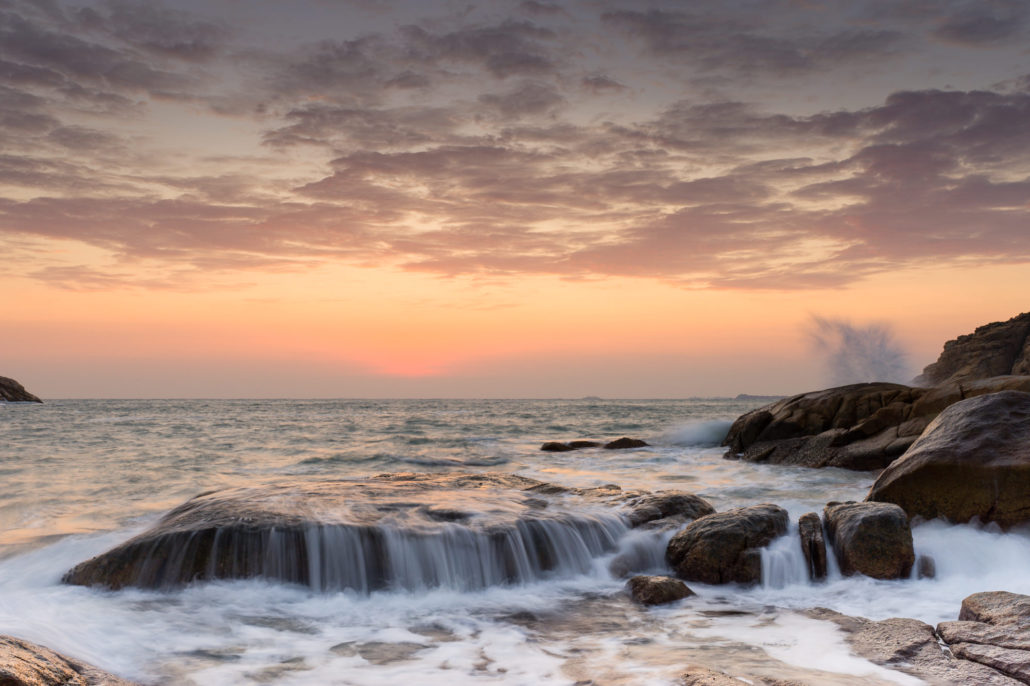
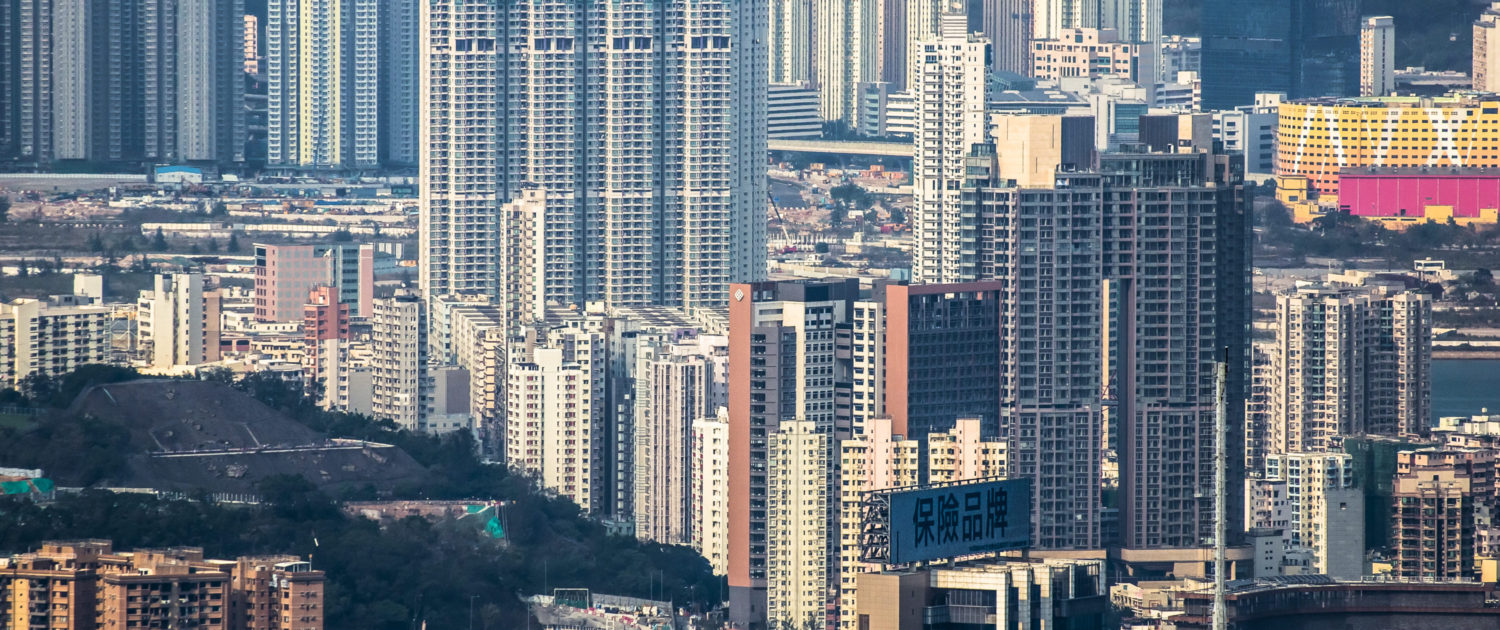
Although a little off the traditional sightseeing path of Hong Kong, Ma On Shan is a great place to take landscape photos. This exceptional location combines views of a beach, boats, landscape and urban developments all-in-one. 

Ma On Shan beach

Ma On Shan beach

The beach is quiet and perfectly suited for longer photo sessions, such as time lapse captures, see my video below.


How to get there

Waterfront promenade

Waterfront promenade

You can reach Ma On Shan from Admiralty Railway Station (East) by bus no. 680 or 681. The fare is HKD 19 and travel time is around 1 hour. I suggest to get off the bus at Yiu On Estate, that way you walk straight through the Ma On Shan Recreation Ground towards the waterfront promenade. When you reach the promenade, keep following it all the way up, having the Tolo Harbour on your left and the ugly housing estates on your right.

At the end of the promenade you will see a park right next to the pier. To access the beach, shown in above photo and time lapse , follow the path through the bushes and continue walking for around 10 minutes. There will be some small beaches first, keep going to access the large one. There you can sit down on some of the boats, take a break and start shooting. 

Alternatively to the bus, you can also take the MTR. If you are coming from Central you will need to change trains three times. Further, you will not see any of the scenery while riding the underground train. Sure the bus might take around 15 minutes longer, but I think it is worth it.

See below map with exact location.


Photographic equipment used

  • Sony A77 camera
  • Sigma 10-20mm lens
  • Cable remote / intervalometer
  • Sirui tripod
  • lrtimelapse software / lightroom


Photo locations: The Peak - Hong Kong

While the peak can be one of the most astonishing photo locations in Hong Kong, it certainly is the most difficult to master.

View from the peak under bad visibility conditions, 2012

View from the peak under bad visibility conditions, 2012

As you might know, Hong Kong is plagued by heavy air pollution and is consistently rated as one of the worst cities in terms of outdoor air quality.

The peak being on top of Hong Kong island, cries for great visibility, which hardly comes by daily. Therefore, weather and visibility will either make your photograph of the Hong Kong skyline from the peak look dull, colourless and unimpressive or it will be the most amazing photograph you have ever taken. Plan carefully before you make your way up. Here a few tips how to do just that:

  • Check the weather forecast
  • Go to star ferry terminal at Tsim Sha Tsui or Central and check if you can see the other side clearly
  • Check if you can see the top of the mountain of Hong Kong Island (more often than not it is shrouded in mist)

View from the peak under perfect visibility conditions. Usually, as here, heavy winds were at play. Taken April 2013.

View from the peak under perfect visibility conditions. Usually, as here, heavy winds were at play. Taken April 2013.


How to get there


There are different ways you can reach the peak. The bus or peak tram are probably the most popular ways, although these means of transport are also the busiest and most crowded. Queues and lines are the norm. A trip to the peak and back can therefore easily take up a whole afternoon or in some cases most part of the day.

That is why I recommend to take a taxi. Taxis in Hong Kong are cheaper than those of European and American cities. To get to the peak from central will usually take around 20-25 minutes and cost around 80-100 HKD, depending on traffic conditions and exact location you start your journey from.

Once you reach the peak, take the path on the left of the bowl-shaped peak tower. This path is the scenic route to get to where above shown pictures were taken. Keep walking for around 15-20 minutes. Once the bushes and trees disappear you will see the magnificent view the peak has to offer on your right, given the visibility conditions as described above.


Photographic equipment used

  • Sony A77 camera
  • DT 16-80mm 3.5-4.5 CZ Lens
  • Sigma 10-20mm 3.5-4.5 Lens